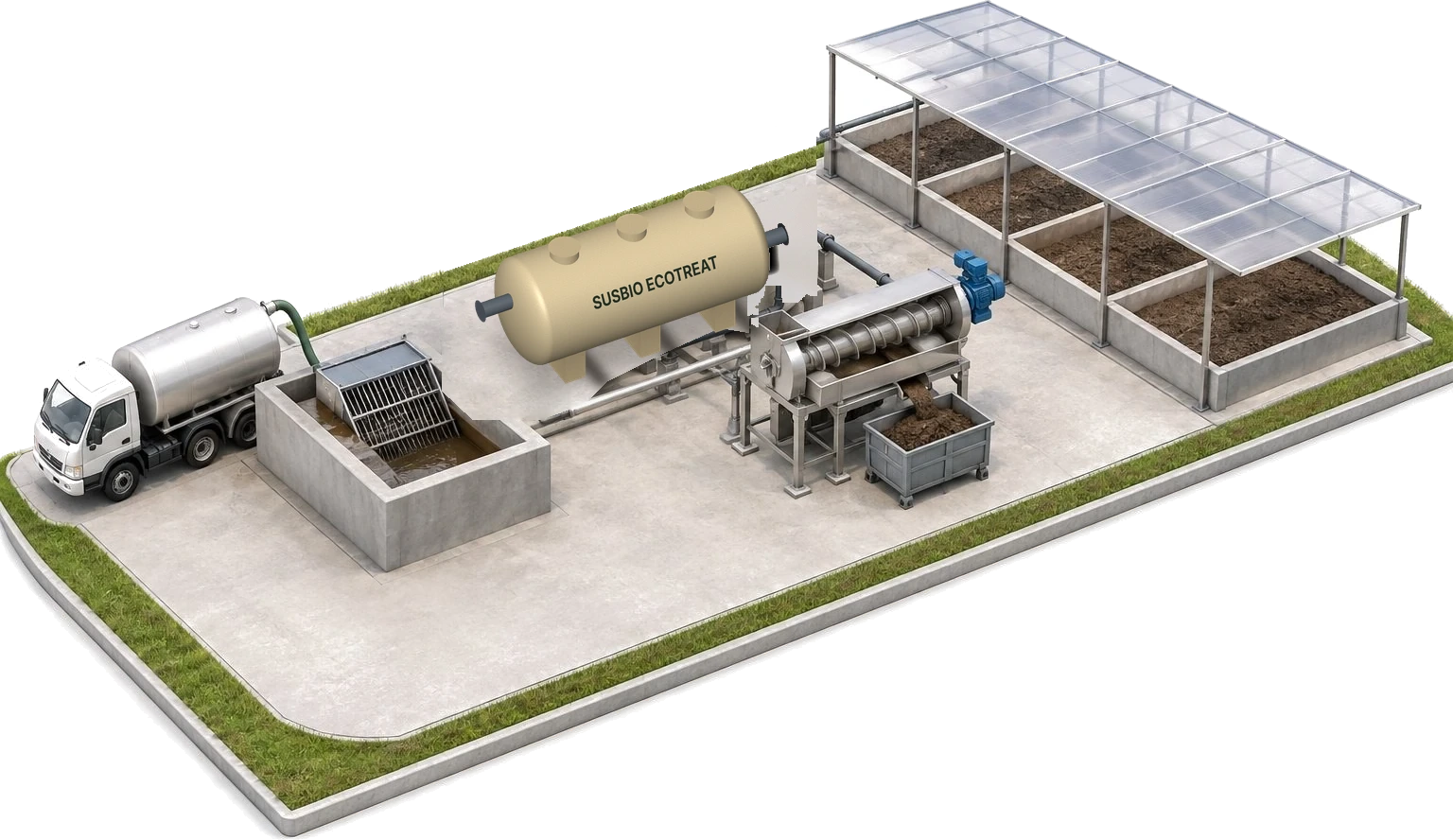
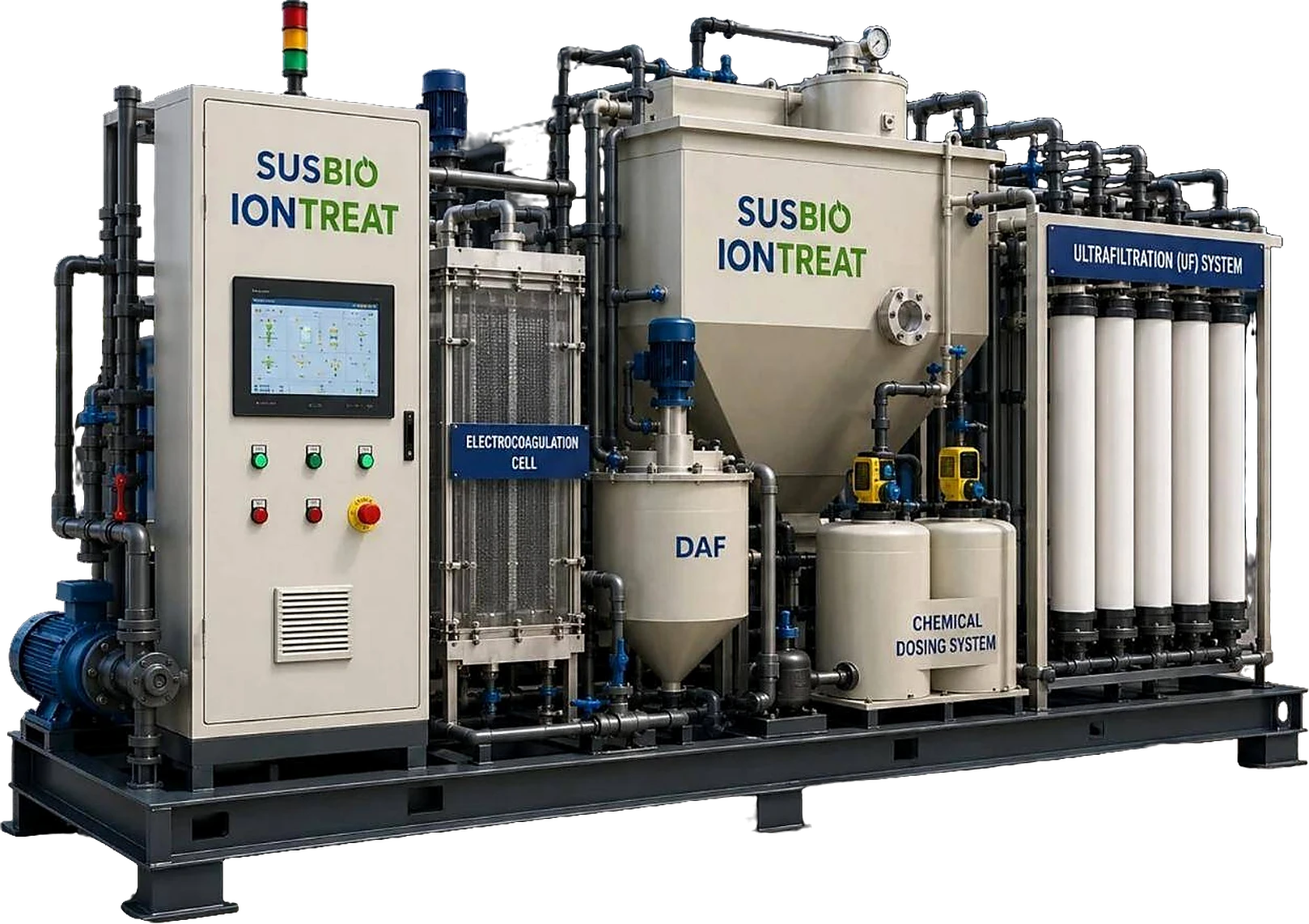
EcoTreat is sealed. CSIR-NIIST observed no significant odour.
Sewage Treatment · EcoTreat
Treat Sewage on Site. Use the Water Again.
EcoTreat is a packaged sewage treatment plant: a factory-built tank installed above or below ground that treats the sewage from a building or campus, so the water can serve again for flushing, gardens and washing.
- 1 to 150 KLDLarger flows with units in parallel
- About 2 monthsFrom work order to a working plant
- 0.6 m² per KLDAbove or below ground
Why a Packaged Plant
- Built in a factory.
- Quality does not depend on weather or site conditions.
- Above or below ground.
- Placed below ground, it leaves the surface free for a garden, a path or parking.
- About2months
- Ready in weeks, not months.
- About two months from work order to a working plant, against the many months a concrete plant takes.
- Grows with you.
- Add another unit when demand rises.
Every day, on your own grounds
25,000 Litres of Sewage a Day. Back as Water You Can Use.
A 25 KLD EcoTreat unit treats a day’s sewage from a hospital or campus on site, ready for flushing, gardens and washing.
At full capacity of one 25 KLD unit, the size installed at Baghmara (2 × 25 KLD). How much you reuse depends on demand.
25KLDEach drop is 1,000 litres a day.
See the difference
From a Leaking Septic Tank to a Quiet Lawn.
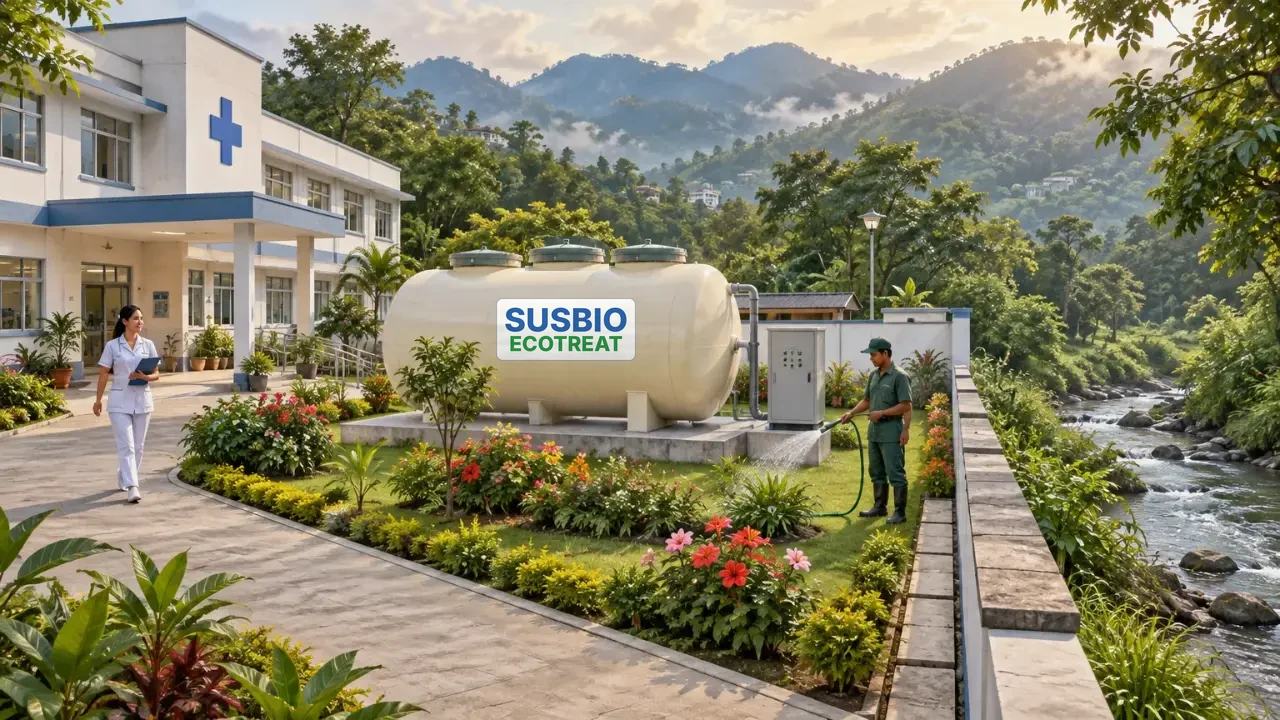
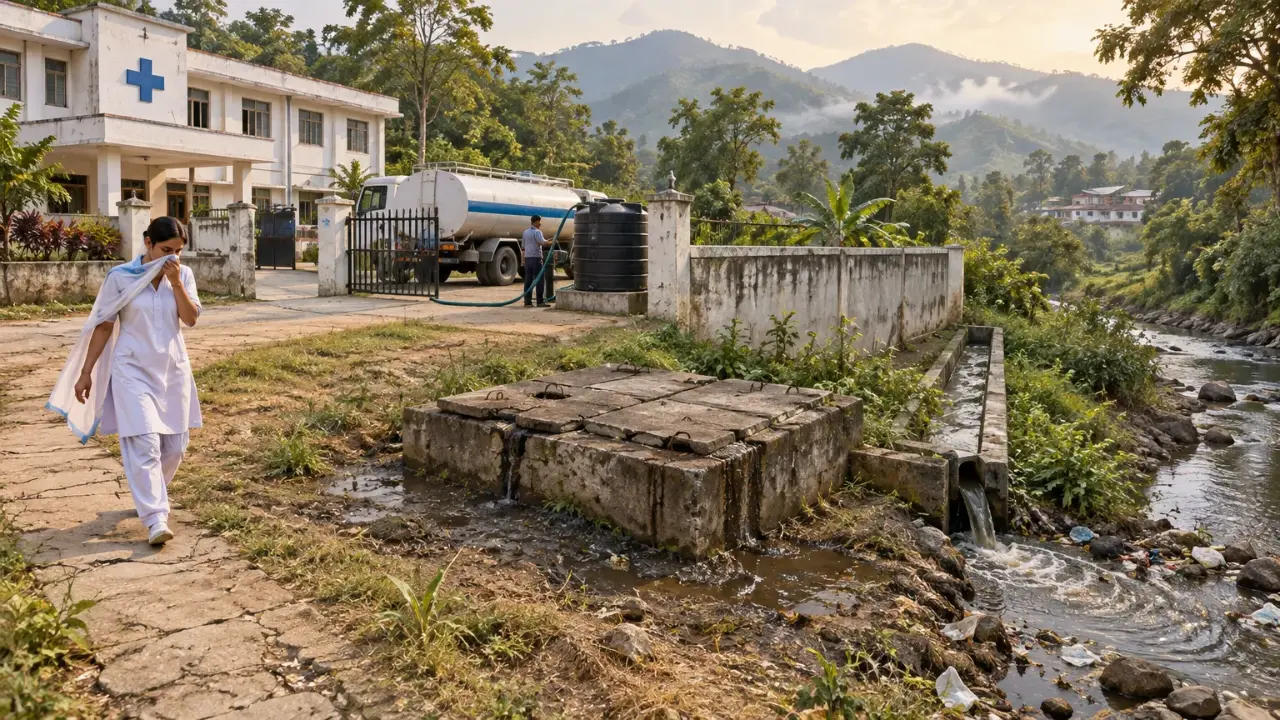
- Sewage seeping into drains and streams
- Tanker water for flushing and gardens
- Smell near the tank
- Treated on your own grounds
- Water back for flushing and gardens
- A sealed tank, quiet and odour-free
Illustrations.
Myth vs fact
What People Expect from a Sewage Plant
About 0.6 m² per KLD, and it can go below ground.
About two months from work order to a working plant.
CSIR-NIIST evaluation (June 2026); SUSBIO product information.
Inside the plant
Four Stages. One Sealed Tank.
Turn it, zoom in on any part, and follow the water from sewage to clean water.
EcoTreat · cut open
Inside an EcoTreat Plant
- Factory-built FRP tank
- Above or below ground
- Blower about 35 dB
- Met NGT 2019 norms
- Water
- Sludge return
- Air
Tested, not just claimed
From Sewage to Water You Can Reuse
96%less BOD
93%less suspended solids
₹6.3per kL to run
CSIR-NIIST evaluated a 2 KLD EcoTreat installed by Vaari Nirvana for three months. The treated water met the NGT 2019 discharge standards. Running cost covers energy and chlorine, not labour.
Concept model, not to scale. Process from the EcoTreat design by our technology partner SUSBIO. Times per chamber and results are from CSIR-NIIST’s evaluation of a 2 KLD unit installed by Vaari Nirvana (June 2026). Sand and carbon filters follow the tank at that site and at Baghmara.
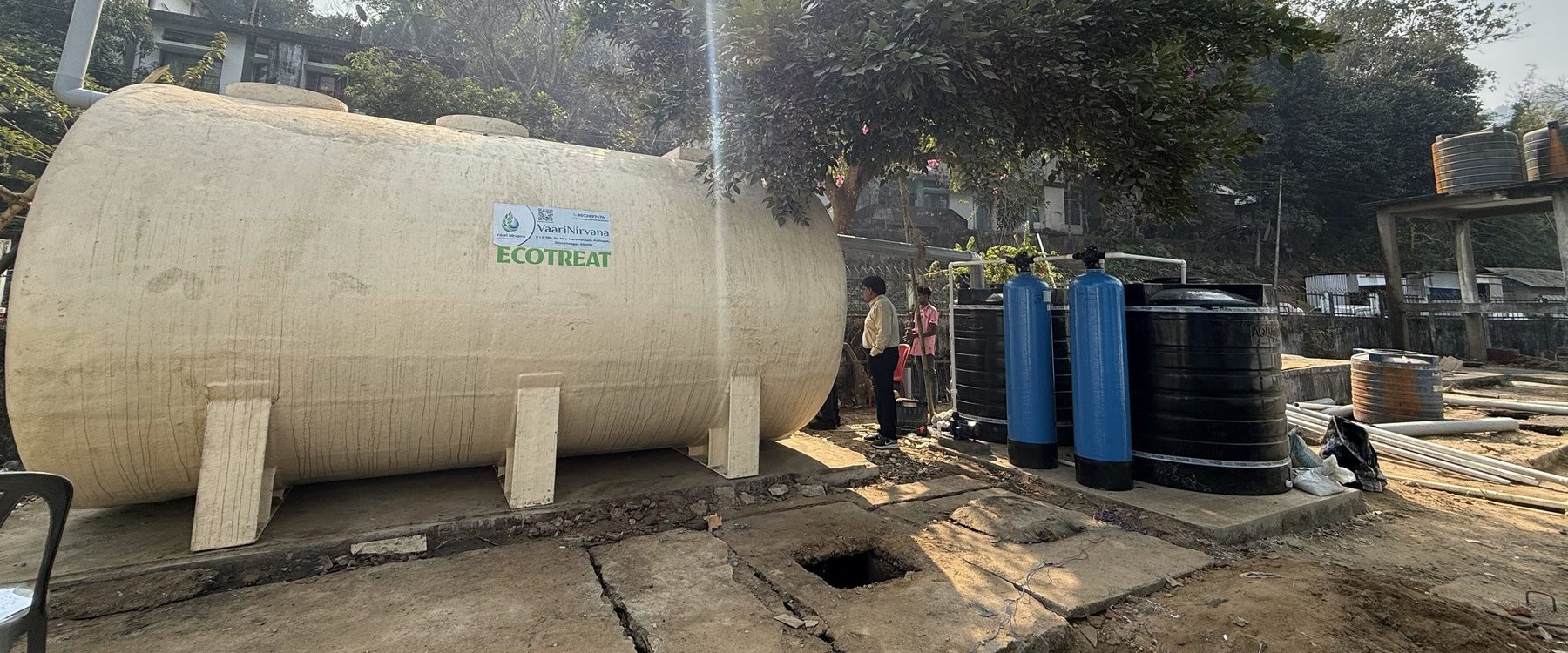 Installed by Vaari Nirvana · Baghmara, with tertiary filters
EcoTreat Plants Already Running
Installed by our technology partner
- Goa
- Pune
- Kolhapur
- Tamil Nadu
Installed by Vaari Nirvana
- Baghmara, Meghalaya
- Thiruvananthapuram, Kerala
At a Glance
- Capacity
- 1 to 150 KLD per site; larger flows with units in parallel. Standard sizes from 2 to 75 KLD; a 1 KLD EcoTreat Lite for small sites
- Tank material
- Fibre-reinforced plastic (FRP), factory-built
- Space
- About 0.6 m² per KLD (about 15 m² for 25 KLD; a 25 KLD unit is 2.5 m across and 5 m long)
- Power
- 1.83 kWh per day for a 2 KLD unit
- Treated water
- Average BOD 8.25, COD 35.5, TSS 15 mg/L; faecal coliform below 100 MPN/100 mL after chlorination; within NGT 2019 standards
- Running cost
- About ₹6.3 per kL for energy and chlorine, excluding labour
- Noise
- Blower about 35 dB; no significant odour observed
- Tertiary filtration
- Optional kit with its own feed pump: a dual-media filter for 2 to 15 KLD, sand and activated-carbon filters for 20 to 75 KLD
- Design life
- 50-year FRP design life, 10-year module warranty (SUSBIO)
Capacity, space and tertiary kits from SUSBIO's EcoTreat product information and the EcoTreat price and size guide (October 2026). Power, water quality, running cost and noise from CSIR-NIIST's evaluation of a 2 KLD unit installed by Vaari Nirvana, monitored March to April 2026 (report, June 2026). Actual performance depends on the sewage arriving and on regular maintenance. Read the report
What comes out
Sewage in. Clear Water Out.
Treated water measured by CSIR-NIIST: BOD 8.25, COD 35.5, TSS 15 mg/L.
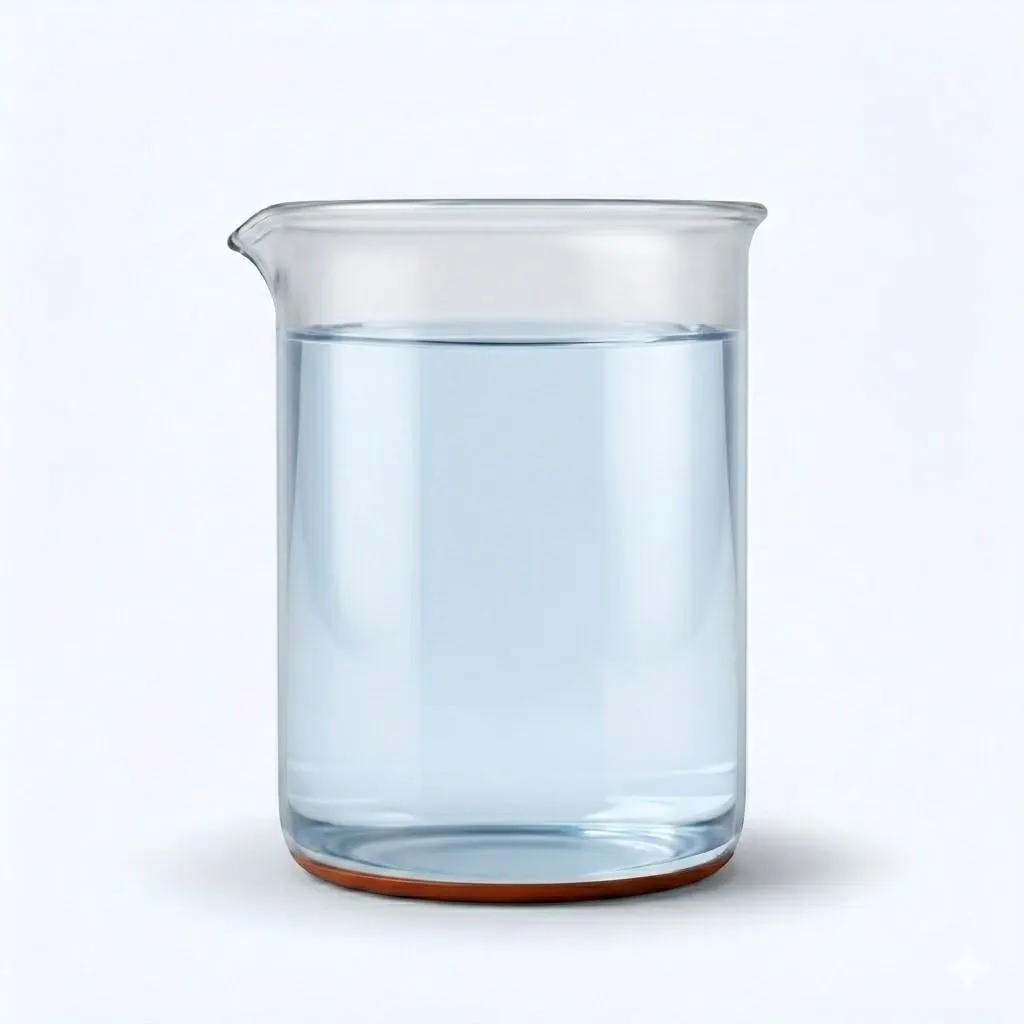
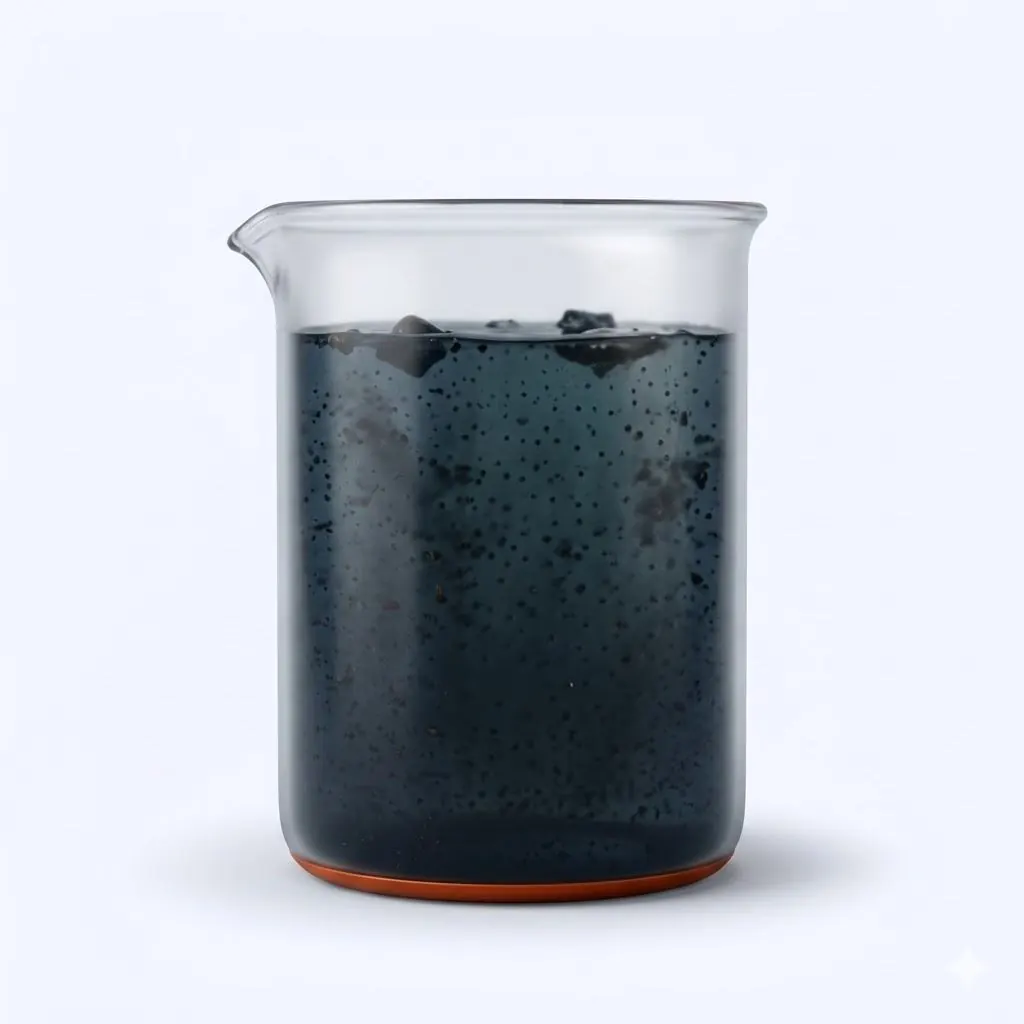
Representative images. Figures: CSIR-NIIST evaluation of a 2 KLD unit installed by Vaari Nirvana (June 2026); within NGT 2019 standards.
How it compares
EcoTreat Against a Concrete Plant
| Compared | EcoTreat (FRP, packaged) | Civil RCC plant | Generic steel package |
|---|---|---|---|
| Space | About 0.6 m² per KLD | About 1.5 m² per KLD | About 0.9 m² per KLD |
| On-site installation, 50 KLD | 3 to 5 days | 4 to 8 weeks | 2 to 3 weeks |
| Tank life | 50-year FRP design life | Joints last 5 to 8 years | 10 to 15 years |
| Energy | About 0.8 to 1.2 kWh per m³ (10 KLD and up) | About 1.6 to 2.0 kWh per m³ | Not stated |
| Noise | Blowers under 48 dB each | 85 to 100 dB(A); needs an acoustic room | Not stated |
| Sludge | Digested in the tank; tanker every 12 to 18 months | Daily excess sludge to drying beds | Not stated |
| Operator | No full-time operator | Full-time operator | Part-time operator |
| Warranty | 10-year module warranty | 1 to 2 years | 1 to 2 years |
Comparison published by SUSBIO, the maker of EcoTreat. Energy, noise and sludge from the EcoTreat vs traditional STP technology comparison (October 2026): EcoTreat values from SUSBIO specifications, civil-plant values are typical design ranges. Installation excludes civil work and delivery.
Why EcoTreat
What a Plant on Site Gives Back
- Water to reuseFlushing, gardens and washing.
- About ₹6.3 per kLEnergy and chlorine, excluding labour.
- About 35 dBQuieter than a normal conversation.
- No full-time operatorDaily checks are enough.
- 50-year design lifeFibre-reinforced plastic, built in a factory.
- 10-year module warrantyFrom SUSBIO, the maker.
- A garden on topPlaced below ground, the surface stays free.
- Grows with youAdd a unit when demand rises.
Running cost and noise: CSIR-NIIST evaluation. Design life and warranty: SUSBIO.
Made for
Wherever Sewage Is Made Every Day
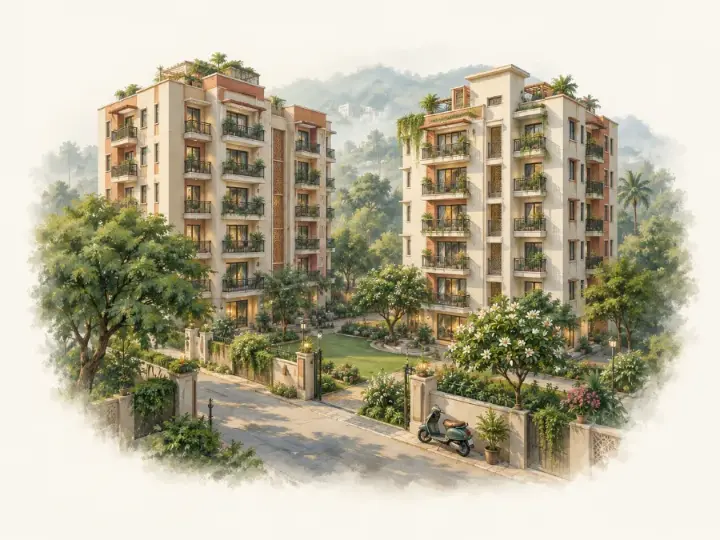
Apartments and housingTreated water flushes every toilet.5 to 150 KLD

Hospitals and clinicsTreated on the hospital’s own grounds.10 to 100 KLD

Schools and collegesA working lesson in water reuse.5 to 50 KLD

Offices and public buildingsLower water bills, visible reuse.25 to 150 KLD

Hotels and resortsLawns watered with your own water.10 to 100 KLD

TownshipsUnits in parallel grow with the community.50 KLD and up, in parallel
Typical capacity bands published by SUSBIO. One site takes up to 150 KLD; larger flows use several units in parallel.
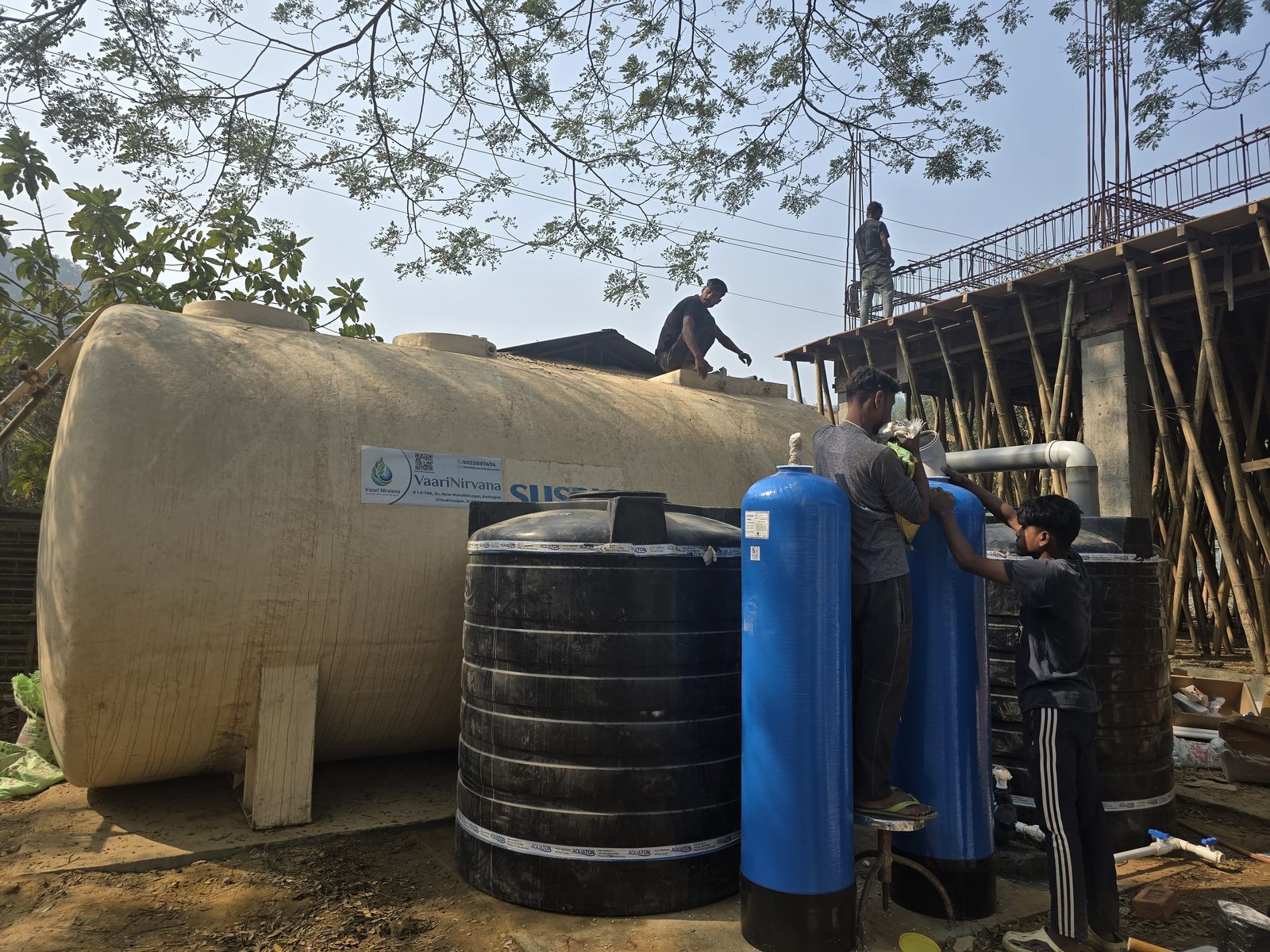 Installed by Vaari Nirvana · Baghmara
Installation
After the site assessment and the work order, civil work takes about four weeks. The plant reaches site six to eight weeks after the order, and our team installs and commissions it, with our technology partner on hand for first installations in a new region.
Looking After It
In the first year, our technology partner supports maintenance alongside us. From then on, our own team takes over, using technicians we hire and train locally. If you would rather run the plant with your own staff, as the health department does at Baghmara, we train your operators, hand the plant over formally, and offer an annual maintenance contract.
Our Work
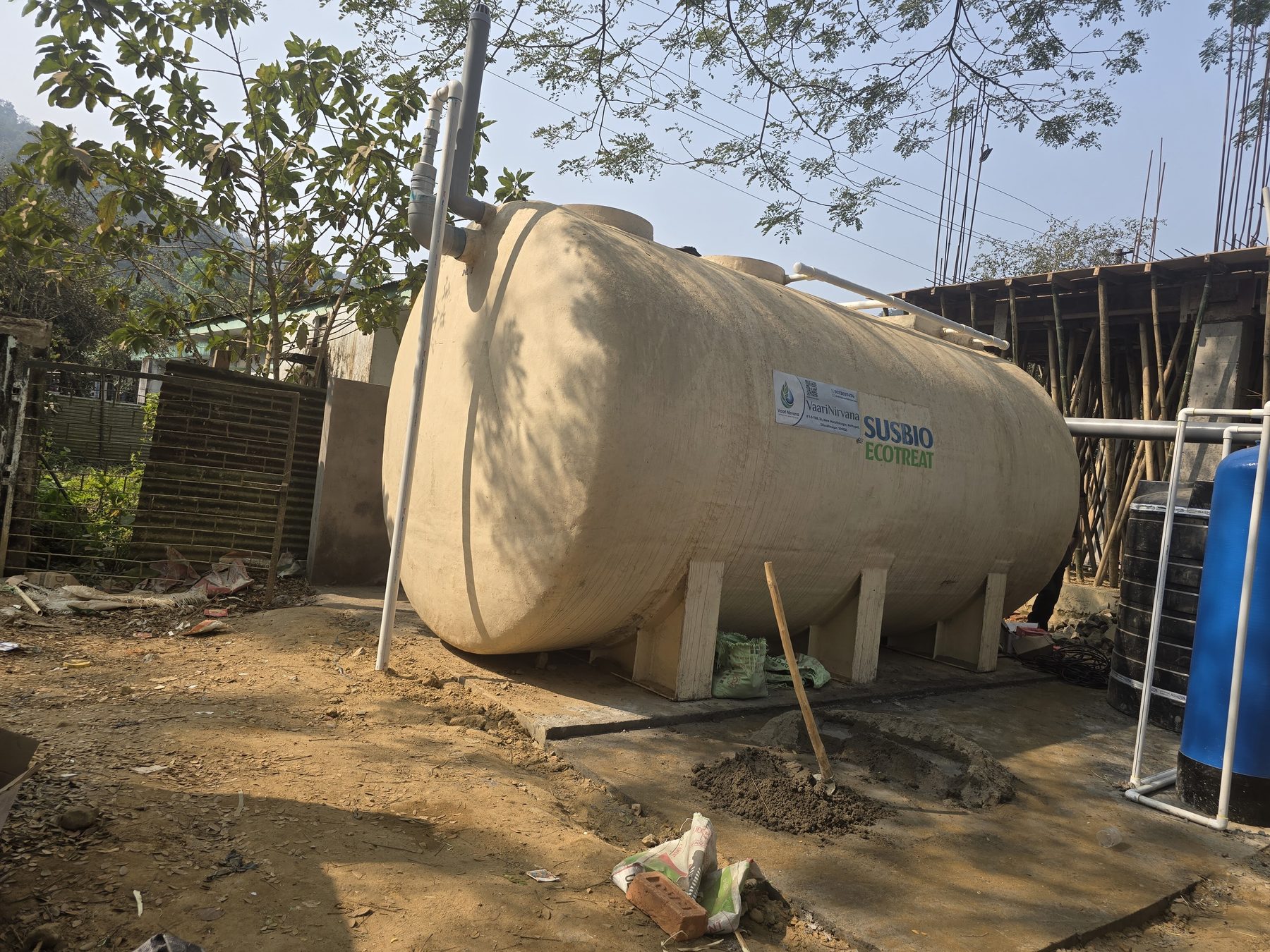
Baghmara, MeghalayaInstalled by Vaari Nirvana
Operational2 × 25 KLD
Civil Hospital, Baghmara, Meghalaya
Read the ProjectAlready at Work Elsewhere
EcoTreat also treats sewage at GAET School, Goa; Pune Metro; a hospital in Kolhapur; and Zoho's campus, Tamil Nadu. These plants were installed by SUSBIO, which reports over 500 EcoTreat installations in 24 states.
Questions
How much space does it need?
Far less than a conventional plant of the same capacity: about 0.6 m² per KLD, placed above or below ground. We confirm the exact area at the site assessment.
Can the treated water be used for drinking?
No. It is treated for uses that are not drinking, such as flushing, gardening and washing.
Will it smell?
The tank is sealed and treatment happens inside it. In CSIR-NIIST's evaluation, no significant odour was observed.
Who looks after it day to day?
Our local team, after a first year supported by our technology partner. Or your own staff, if you prefer: we train your operators and hand the plant over formally.
How much attention does it need?
Daily checks, about half an hour a day to backwash the sand and carbon filters, and regular removal of settled sludge. CSIR-NIIST recommends weekly sludge wasting to keep the plant working at full volume.
How long does it take?
About two months from the signed work order to a working plant, after the site assessment.
Wastewater and Sludge
Sewage, septic sludge and industrial effluent each need different handling. We help you choose the right system, and we stay to keep it working.