Every 1 mm on 1 m² of roof is 1 litre. It adds up fast.
Rainwater Harvesting
Keep the Rain That Falls on Your Site.
Rainwater harvesting collects the rain from your roofs and paved areas, filters it, and stores it for use or sends it back into the ground to recharge the water table.
Discuss Rainwater Harvesting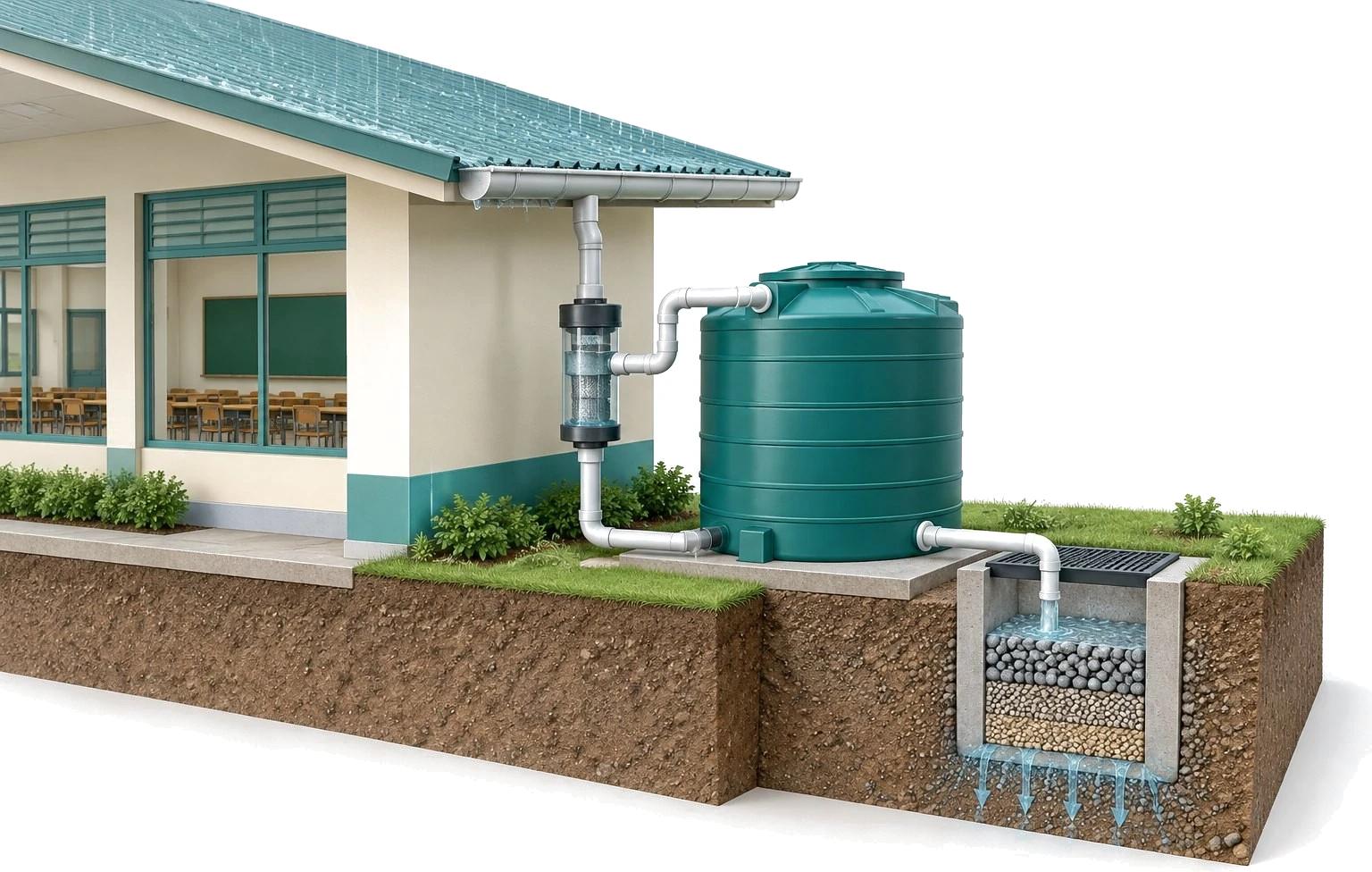
Sized to Your Site
We size each system to your roof and paved area and the local rainfall record, so the tank and recharge pits match the water you can realistically catch.
Where It Fits
- Campuses, schools and hostels with large roofs
- Government and public buildings
- Housing and townships
- Factories and warehouses
- Areas where groundwater levels are falling
Your roof is already a catchment
A 500 M² Roof Can Catch 40 Tankers of Water a Year.
Every 1 mm of rain on 1 m² of roof is 1 litre. Most of it runs into the drain within minutes.
Illustrative: 500 m² roof × 1,000 mm of rain a year × 80% captured = 4 lakh litres. We calculate yours from local rainfall records.
40tankers a yearEach drop is one 10,000-litre tanker.
See the difference
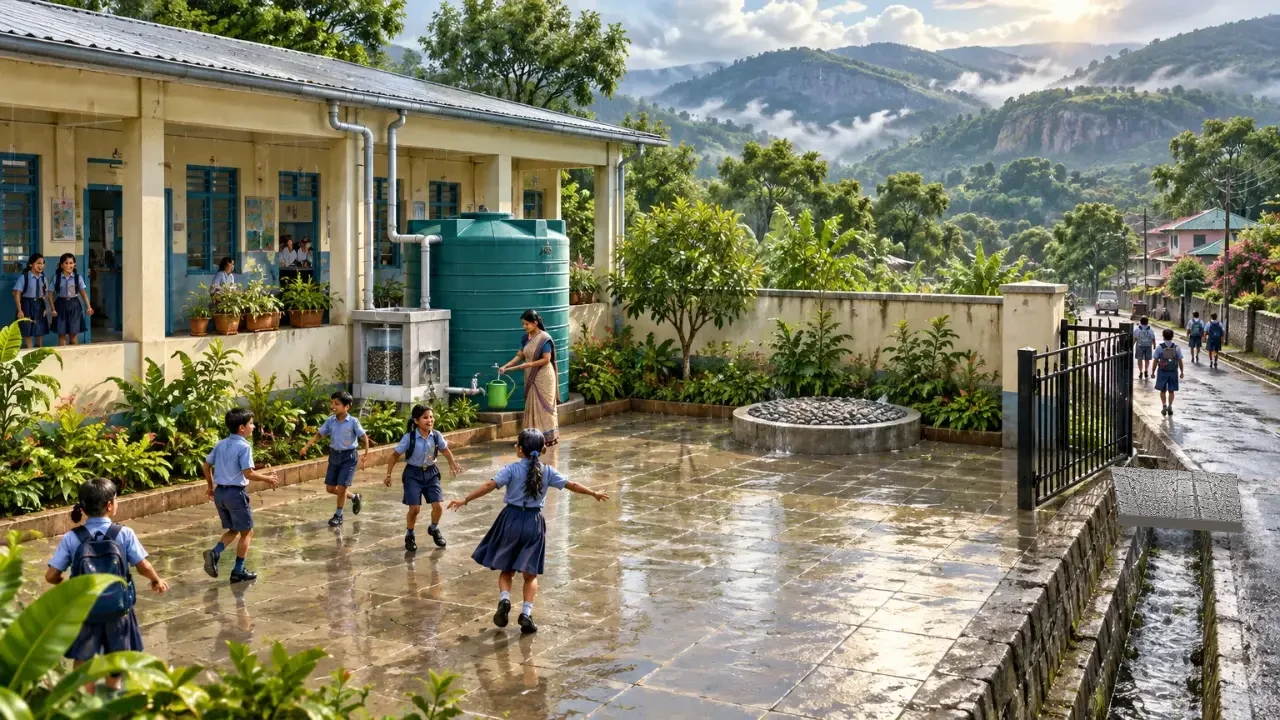
Keep the Rain. Lose the Flood.
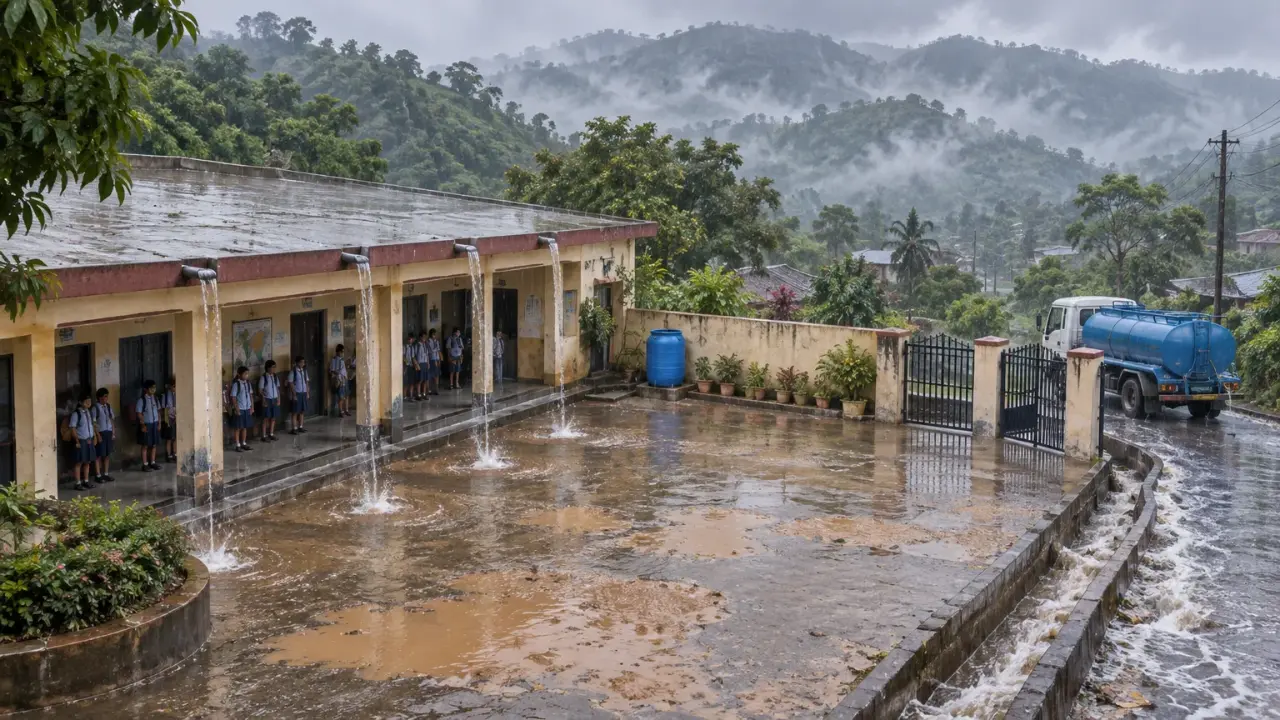
- Courtyards waterlogged
- Tanker bills every dry month
- Borewells going deeper
- Stored rain for gardens and flushing
- Groundwater recharged on site
- Less waterlogging
Illustrations.
Myth vs fact
Why Sites Skip It, and Shouldn’t
Use it for gardens, flushing and cleaning, or recharge the ground.
Overflow can go straight into recharge pits under your site.
How it works
From Roof to Tank to Ground
- Roof and pavingRain collected from what you have.
- First flushThe dirtiest rain is diverted.
- FilterLeaves and silt removed.
- StoreClean rain fills a tank.
- RechargeOverflow soaks back into the ground.
Made for
Made for Large Roofs and Paved Areas

Campuses, schools and hostelsLarge roofs, steady demand.

Government and public buildingsOften required by building bye-laws.

Housing and townshipsLess waterlogging, more groundwater.
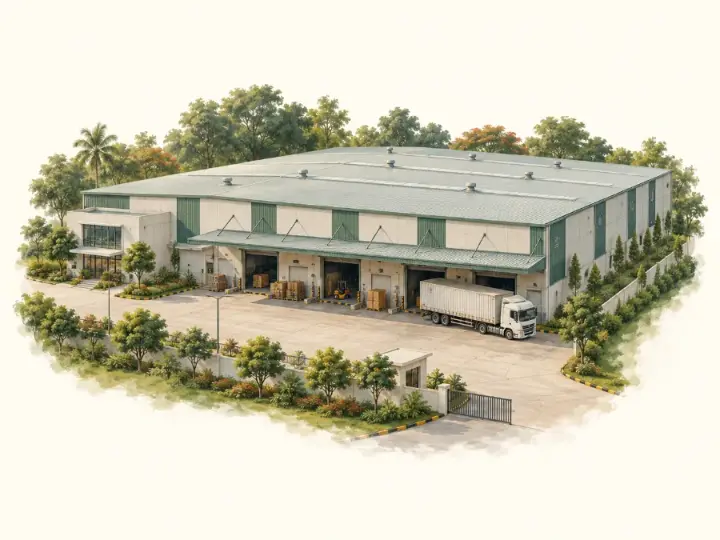
Factories and warehousesWide roofs that waste the rain.

Areas with falling groundwaterRecharge where it is needed most.

TownshipsPlanned in from the start.
Timing
The best time to build is before the monsoon.
How long installation takes depends on the roof area, the storage and any recharge pits. You get a timeline with the design, so the system is ready before the rain.
Looking After It
Gutters and filters need a clean before each monsoon. We can include it in a maintenance plan.
Questions
Can harvested rainwater be used for drinking?
Not without further treatment. Harvested rainwater is meant for uses that are not drinking, or for recharging the ground.
Is rainwater harvesting mandatory?
Many states and cities require it for new buildings above a certain size. Check your local building bye-laws, or ask us.
Solutions
Solutions for Water and Waste, Matched to Your Site.
 Water conservation
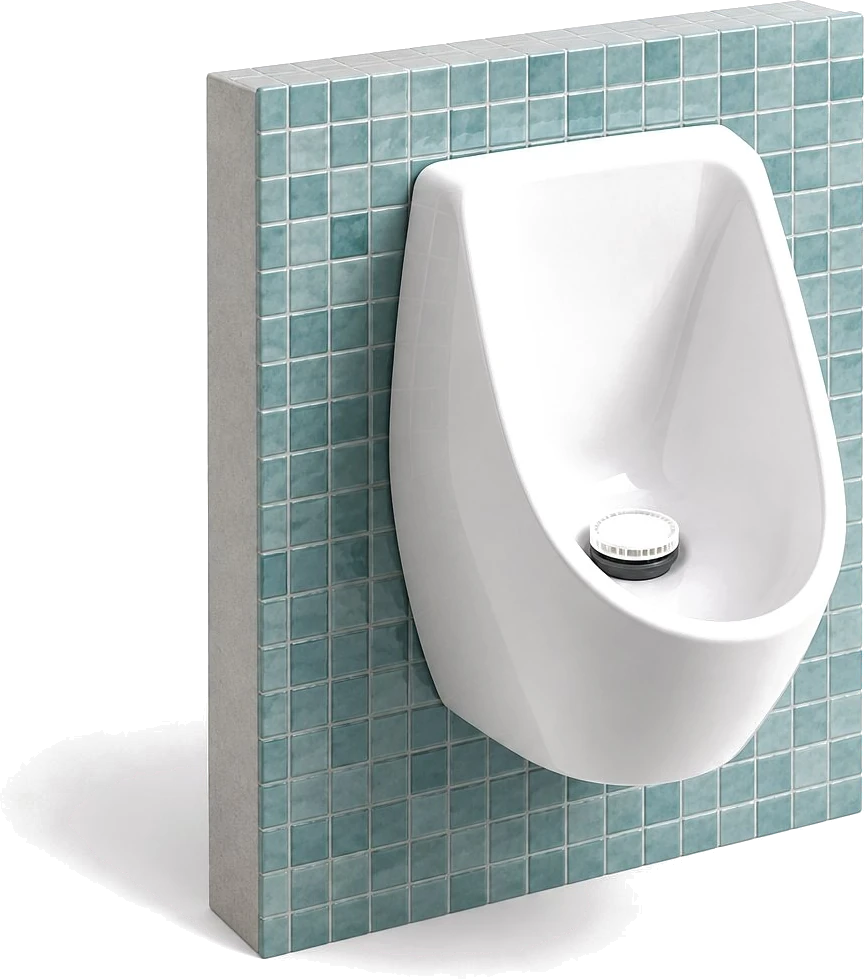
Waterless Urinals · Zerodor
No flush, no odour, water saved from the first use.
Learn More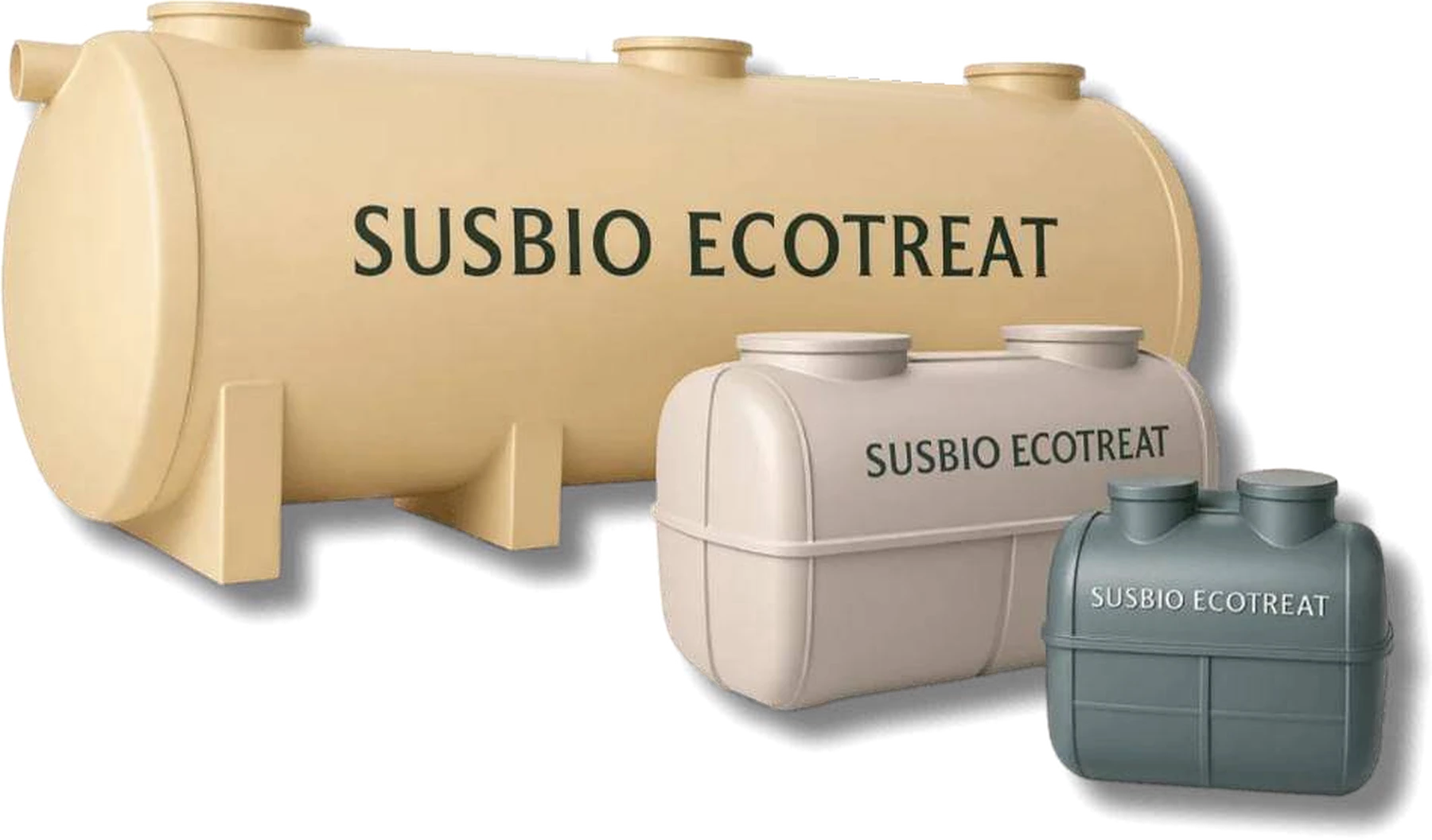 Wastewater and sludge
Sewage Treatment · EcoTreat
A compact plant below ground that turns sewage into water for reuse.
Learn More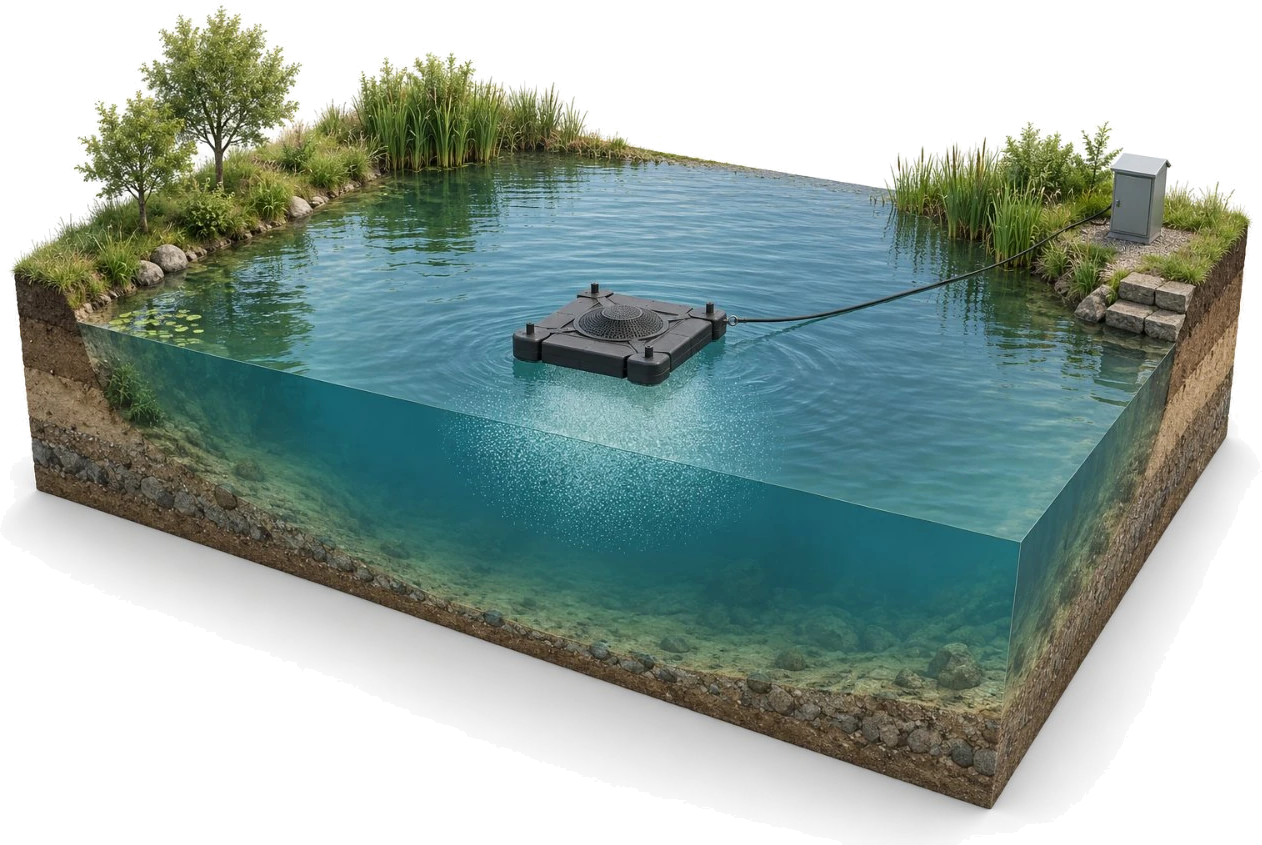 Lakes and rivers
Water-Body Restoration
A measured plan for a lake, pond or river stretch, from testing to results.
Learn More