Gasification turns it into syngas, electricity and recovered metals.
Waste Processing and Energy Recovery
Turn a Town’s Waste into Resources.
Our 10 TPD gasification plant takes a small town’s household waste and turns it into syngas and electricity, with slag and metals recovered at the bottom. Nothing burns in the open, and far less goes to landfill.
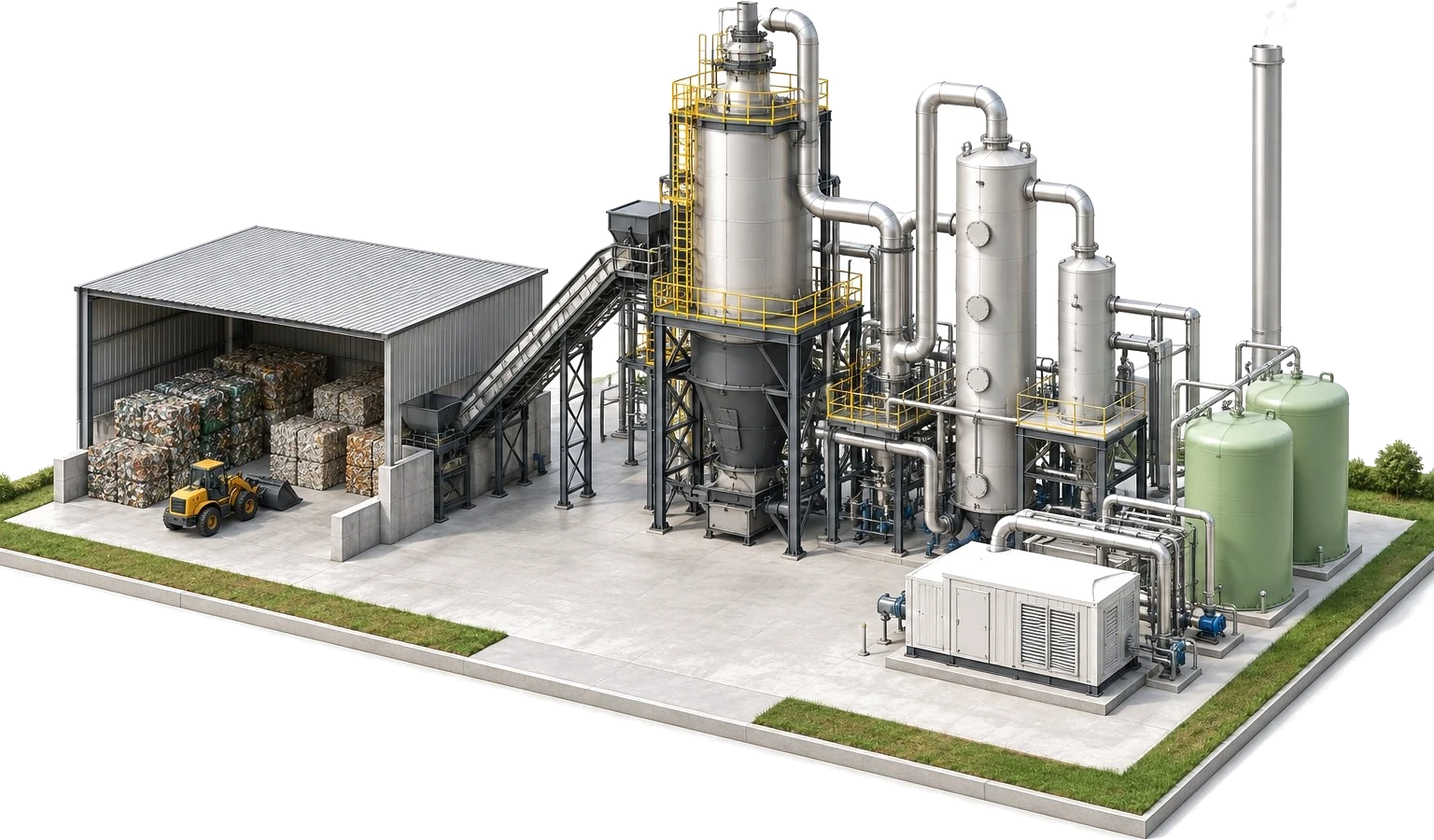
The 10 TPD Plant
- 10 tonnes of household waste a day
- About 6 acres, close to the landfill
- Syngas and electricity to the grid
- 5 to 10 operators a shift, hired locally
The scale of it
India Makes 62 Million Tonnes of Waste a Year. Half of It Is Buried.
Most towns spend their waste budget moving rubbish around, not treating it. Landfills grow, open burning poisons the air, and leachate seeps into groundwater.
National figures as cited in our 10 TPD gasification plant proposal.
62million tonnes a yearAbout 31 million tonnes end up in landfill.
See the difference
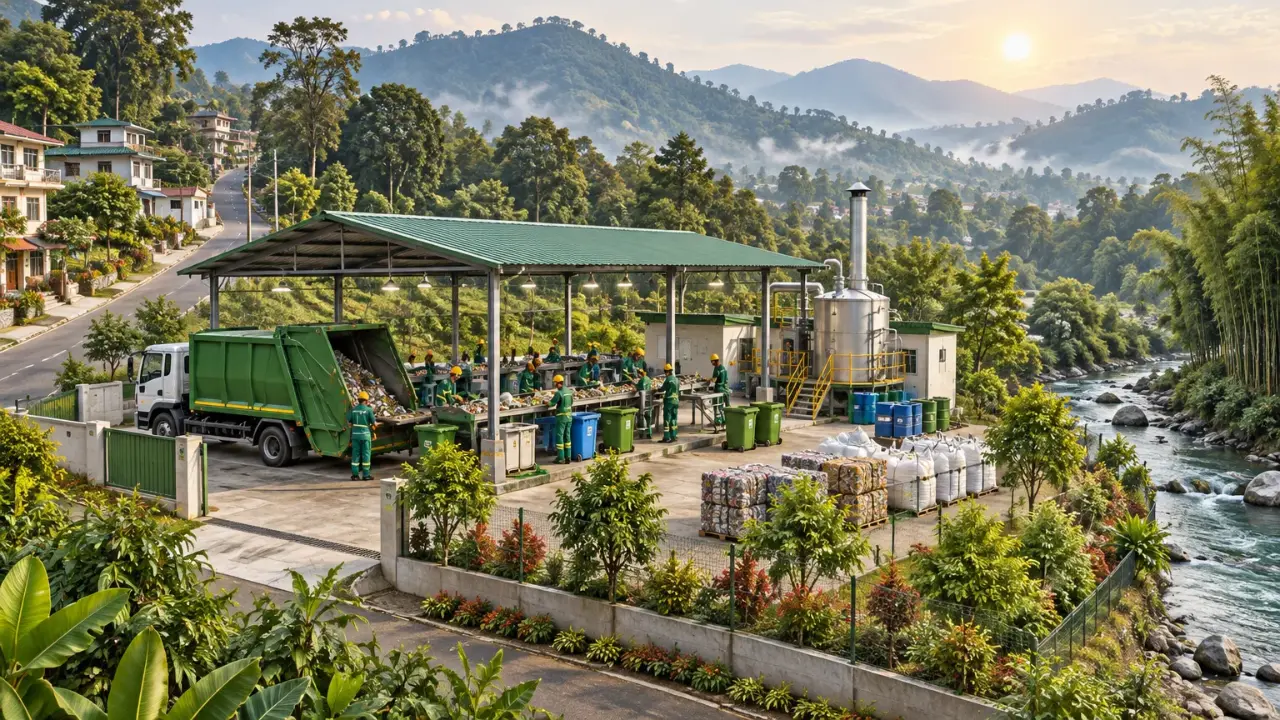
From a Smouldering Dump to a Working Plant.
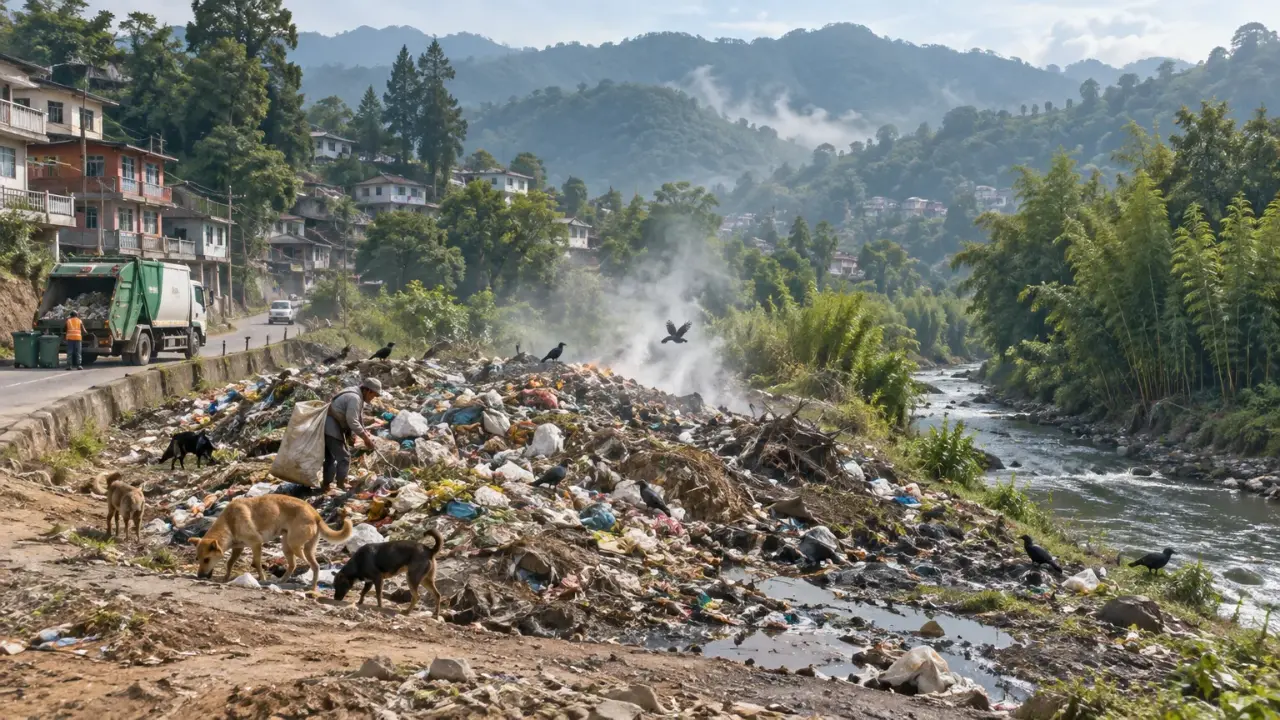
- Smoke from open burning
- Leachate in the groundwater
- Land lost to the heap
- Waste turned into resources
- Sealed process, cleaned gas
- Paid, safe local jobs
Illustrations.
Myth vs fact
What People Assume About Waste
Waste is broken down by intense heat in a sealed vessel, then the gas is cleaned.
The plant is sized for a small municipality: 10 tonnes a day.
Inside the plant
From Trash to Electricity, Step by Step.
A plasma torch creates a hot, electrically charged gas. It heats the waste until it breaks down into simple molecules.
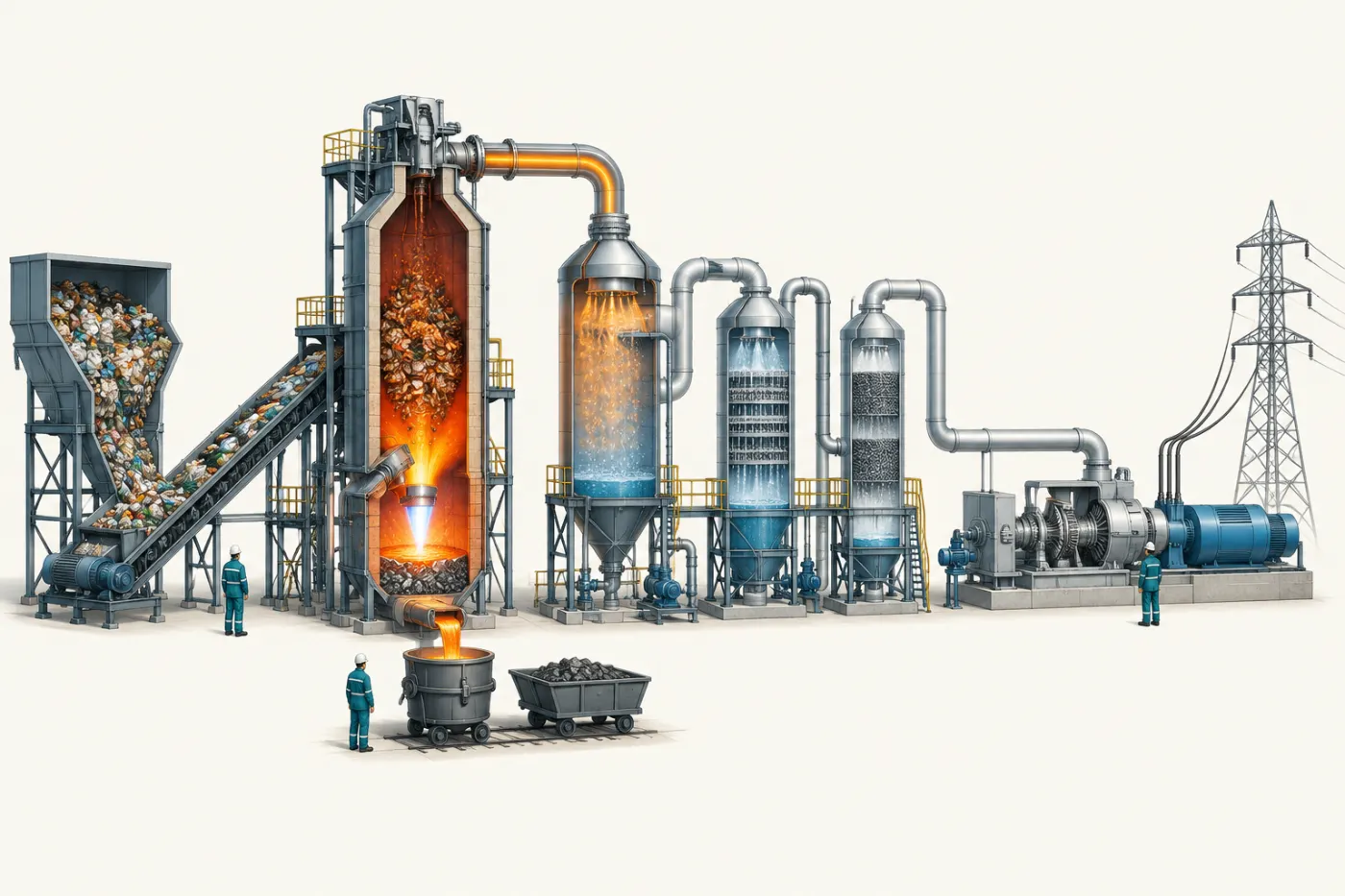
- Trash feedShredded household waste rides a conveyor up into the gasifier.
- GasifierA sealed, lined vessel where the waste breaks down.
- Plasma torchRuns at about 5,000 °C, far hotter than any flame.
- Slag and molten metalTapped from the bottom: glass-like slag, steel, aluminium, copper.
- Syngas clean-upThe hot gas is cooled and cleaned.
- Wet and dry scrubbersRemove what is left, so only clean syngas goes on.
- Steam turbinesClean syngas and steam drive the generators.
- To the gridElectricity for local use or export.
Illustration. Process from our 10 TPD gasification plant proposal.
What comes out
One Tonne of Trash, Four Things of Value
- SyngasHydrogen, carbon monoxide and methane, with about half the energy of natural gas.
- ElectricityFrom steam turbines, for the plant and the grid.
- MetalsSteel, aluminium and copper, recovered as molten metal.
- Slag and glassAn inert, glass-like solid left at the bottom of the vessel.
Syngas can also be turned into hydrogen, methanol, synthetic natural gas, ammonia, and fuels such as diesel and petrol. From our 10 TPD gasification plant proposal.
The site
A 10 TPD Plant, Laid Out on One Site.
About 6 acres: one for the plant itself, five for everything that keeps waste moving safely.
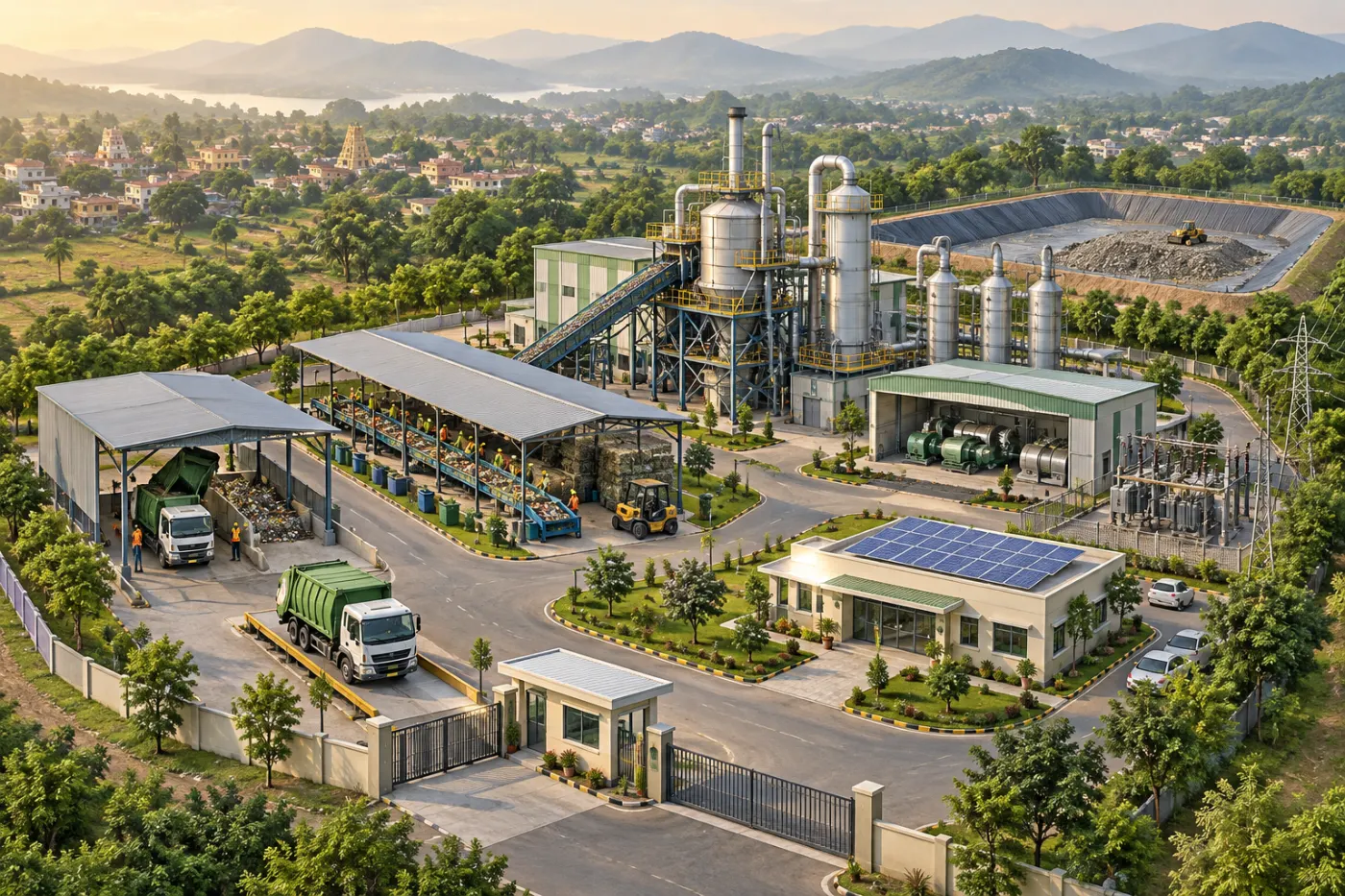
- Gate and weighbridgeEvery truck is weighed in.
- Transport bayCollection trucks unload under cover.
- Sorting and shreddingWaste is sorted and cut to size.
- Gasifier buildingAbout one acre: the heart of the plant.
- Syngas clean-upClean-up tower and scrubbers.
- Energy houseSteam turbines and generators.
- Grid connectionA substation to export power.
- Control room (HQ)Runs and monitors the plant.
- Landfill containmentA lined cell for inert residue.
10 tonnes a dayAbout 6 acresGrid access neededClose to the landfill5 to 10 operators a shift
Illustration. Site needs from our 10 TPD gasification plant proposal.
One plant per waste stream
Built for Household Waste. Ready for More.
- Household wasteOrganic waste, plastics, paper and other combustibles.
- PlasticsIncluding mixed and soiled plastic.
- TyresA steady, energy-rich stream.
- Oil sludgeFrom refineries and workshops.
- Hazardous industrial wasteHandled in a sealed process.
- Biomedical wasteBroken down completely at high heat.
- Animal and farm wasteLocal streams, processed locally.
- Landfill miningOld dumps reclaimed.
Focusing each plant on one stream improves what it produces. Processing locally cuts the cost and pollution of hauling waste. From our 10 TPD gasification plant proposal.
The numbers
What a 10 TPD Pilot Costs to Run, and Earns
Running Cost
₹3.45 lakha month- Labour (5 operators)
- ₹1,25,000
- Utilities
- ₹50,000
- Maintenance and repairs
- ₹30,000
- Chemicals and expendables
- ₹20,000
- Miscellaneous
- ₹10,000
- A year
- ₹41.4 lakh
Projected Revenue
₹1.40 crorea year- Syngas sales
- ₹1.095 crore
- Electricity sales
- ₹25.55 lakh
- Slag, bio-char and metals
- ₹5 lakh
Projections for the first pilot plant, about USD 280,000 to build. From our 10 TPD gasification plant proposal. Actual figures depend on the waste, the site and local tariffs.
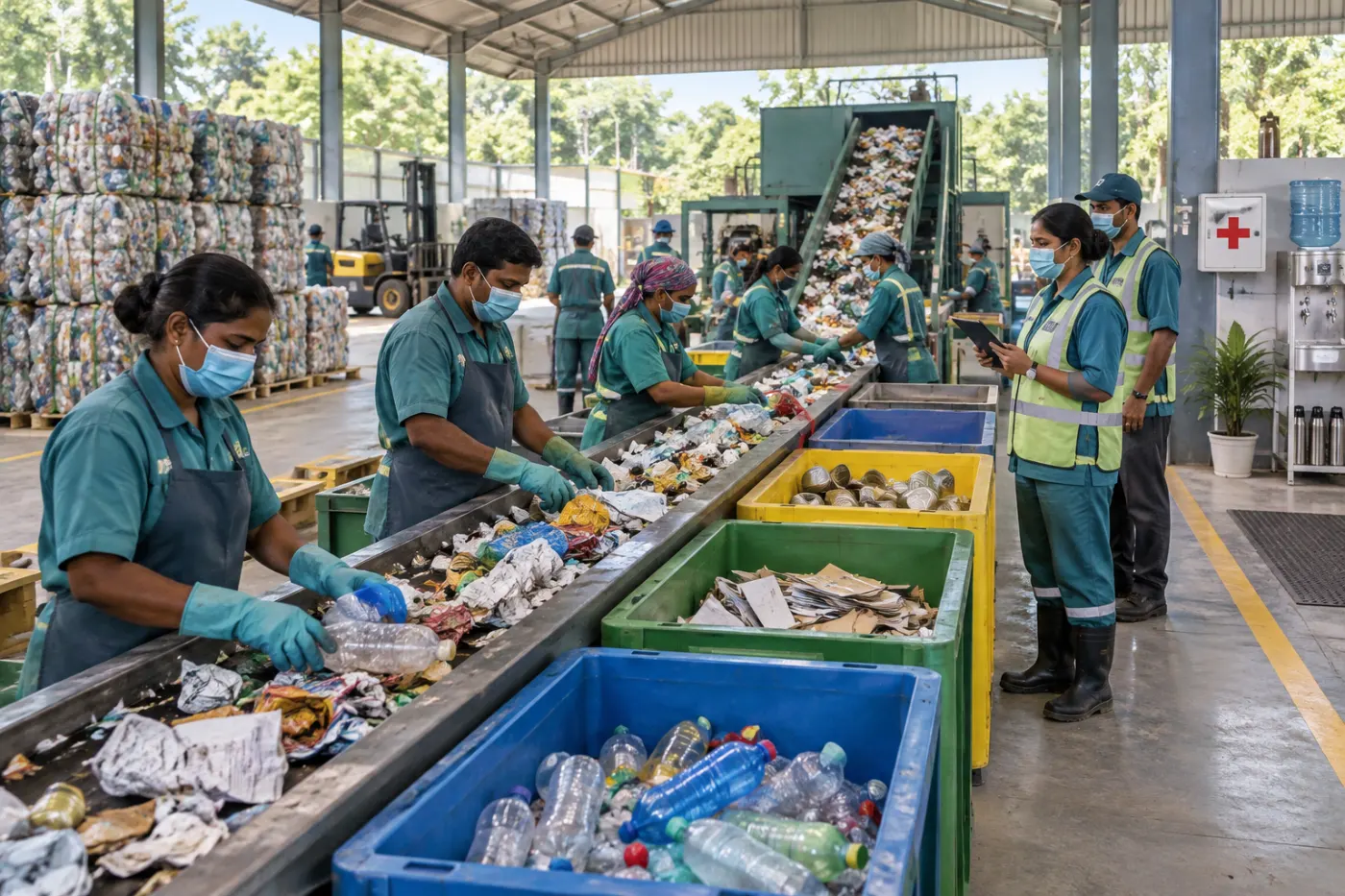
Jobs at the bottom of the pyramid
We Pay for Trash. That Changes Lives.
Rag pickers do one of the most dangerous jobs in a town. The plant turns that work into steady, safe, paid employment.
- Fair pay for wasteHouseholds and rag pickers are paid for what they bring in.
- Safe, humane workUniforms, gloves, masks, water and first aid on site.
- Profits put backWe plan to invest 2% of profits in trees, 10% in research and 5% in jobs and training.
Illustration. Commitments from our 10 TPD gasification plant proposal.
Built to scale
One Pilot. Then the State.
- Statewide roll-outA working pilot opens the way across the state and India.
- Made locallyLocal manufacturing and a local supply chain, fewer imports.
- Each plant funds the nextRevenue from one plant helps build the next, for a new waste stream.
- Better data, better sortingGranular data improves collection and sorting over time.
From our 10 TPD gasification plant proposal.
Bamboo
Bamboo, into Activated Charcoal
- BambooMixed bamboo from Meghalaya.
- CarboniseHeated without air.
- ActivatePores opened up.
- Activated charcoalFor water and air filtration.
In planning: a 10 TPD demonstration plant in Meghalaya, with CPCB-compliant emissions control from commissioning.
Made for
Zero Waste, Brought to Small Towns

Small municipalitiesA 10 TPD plant near the town landfill.

Institutions and campusesThat produce a lot of waste.
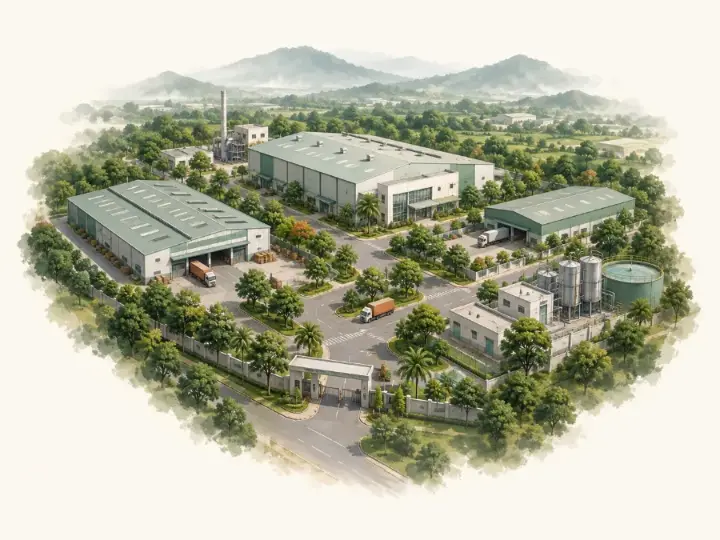
Industrial sitesWith a steady single waste stream.

Bamboo growersBamboo converted into activated charcoal.
Where We Stand
In planning: a 10 TPD demonstration plant to convert mixed Meghalaya bamboo into activated charcoal, with CPCB-compliant emissions control from commissioning. Site needs are set by the waste study: typically covered feedstock storage, a processing shed, three-phase power and truck access.
Discuss Your Waste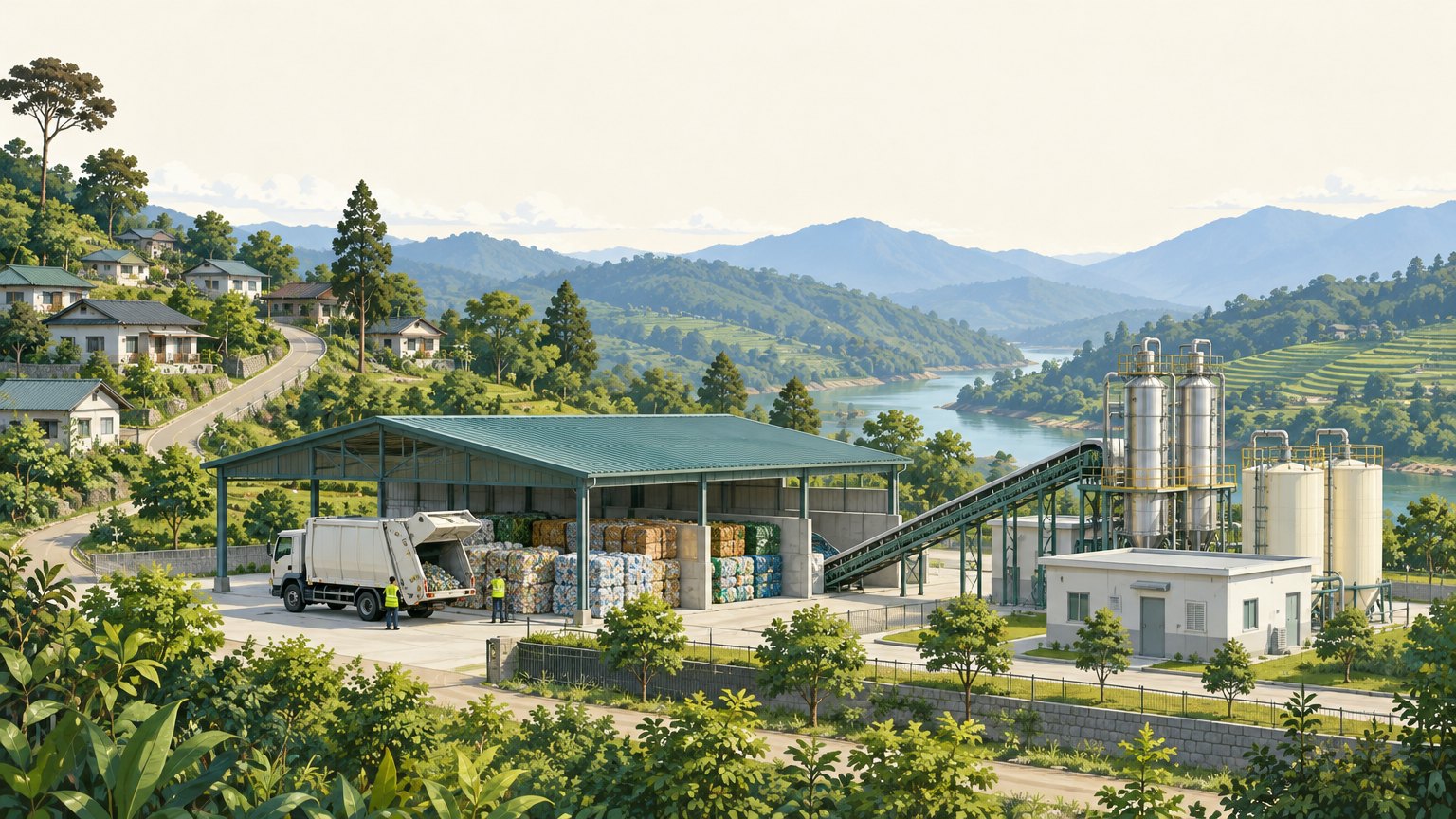
Questions
What waste can the plant take?
Household waste, including organic waste, plastics, paper and other combustible material. Plants can also be set up for a single stream, such as plastics, tyres, oil sludge or farm waste. A waste study comes first.
How much land does a 10 TPD plant need?
About 6 acres: around 1 acre for the plant itself, and 5 for the transport bay, sorting and shredding, landfill containment, the control room and the energy house. It should be close to the landfill and have access to the grid.
Is gasification the same as burning?
No. The waste is broken down by very high heat inside a sealed vessel, not burnt in open air. What comes out is a gas, syngas, which is cleaned before it is used.
Who runs it?
5 to 10 operators a shift, hired and trained locally, including people who collect and sort waste today.
What happens to the parts that cannot be recovered?
Inert residue goes to a lined containment cell on site.
Solutions
Solutions for Water and Waste, Matched to Your Site.
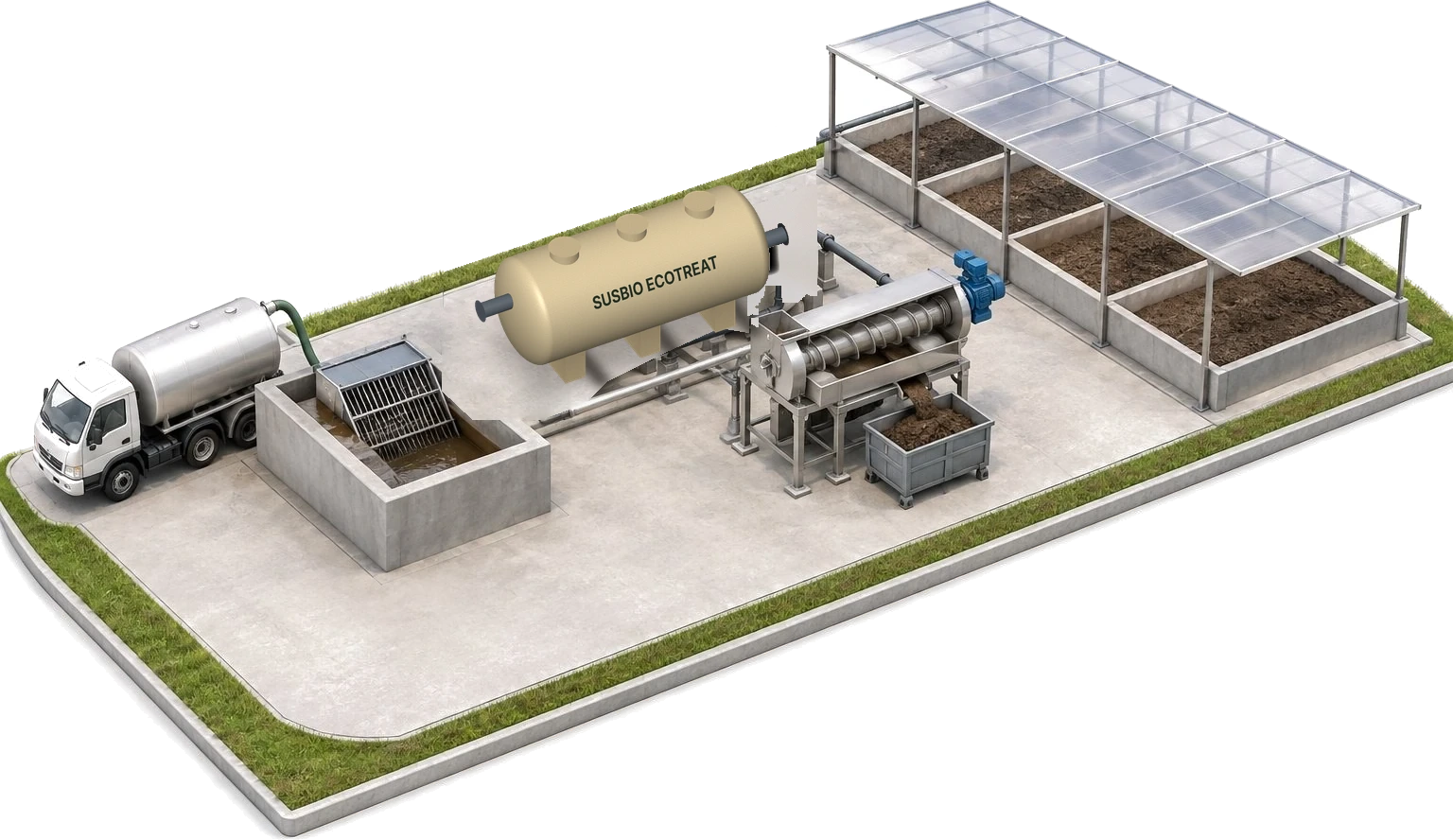 Wastewater and sludge
Faecal Sludge Treatment
A safe destination for the sludge emptied from septic tanks.
Learn More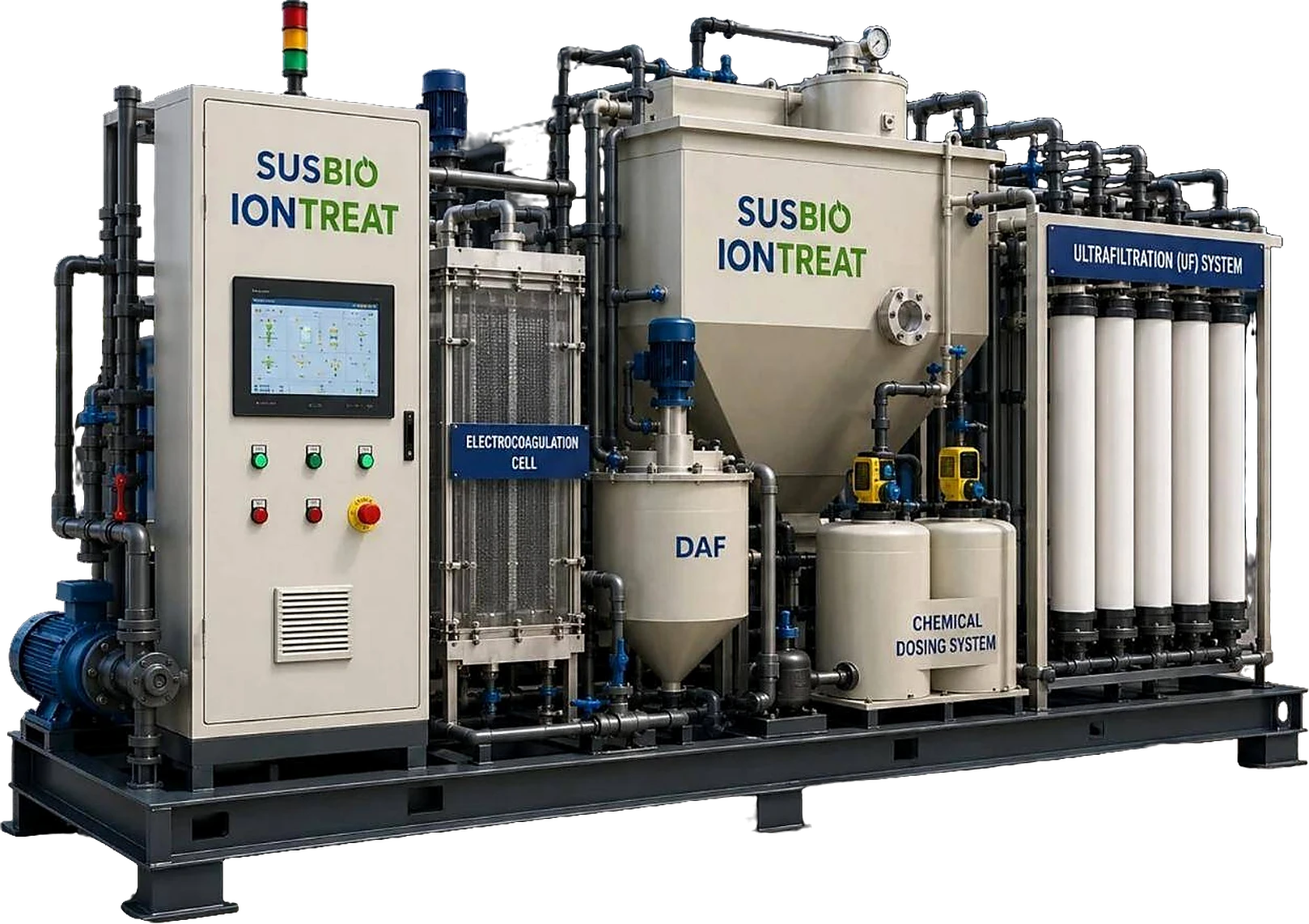 Wastewater and sludge
Effluent Treatment
Treatment planned around what an industrial process discharges.
Learn More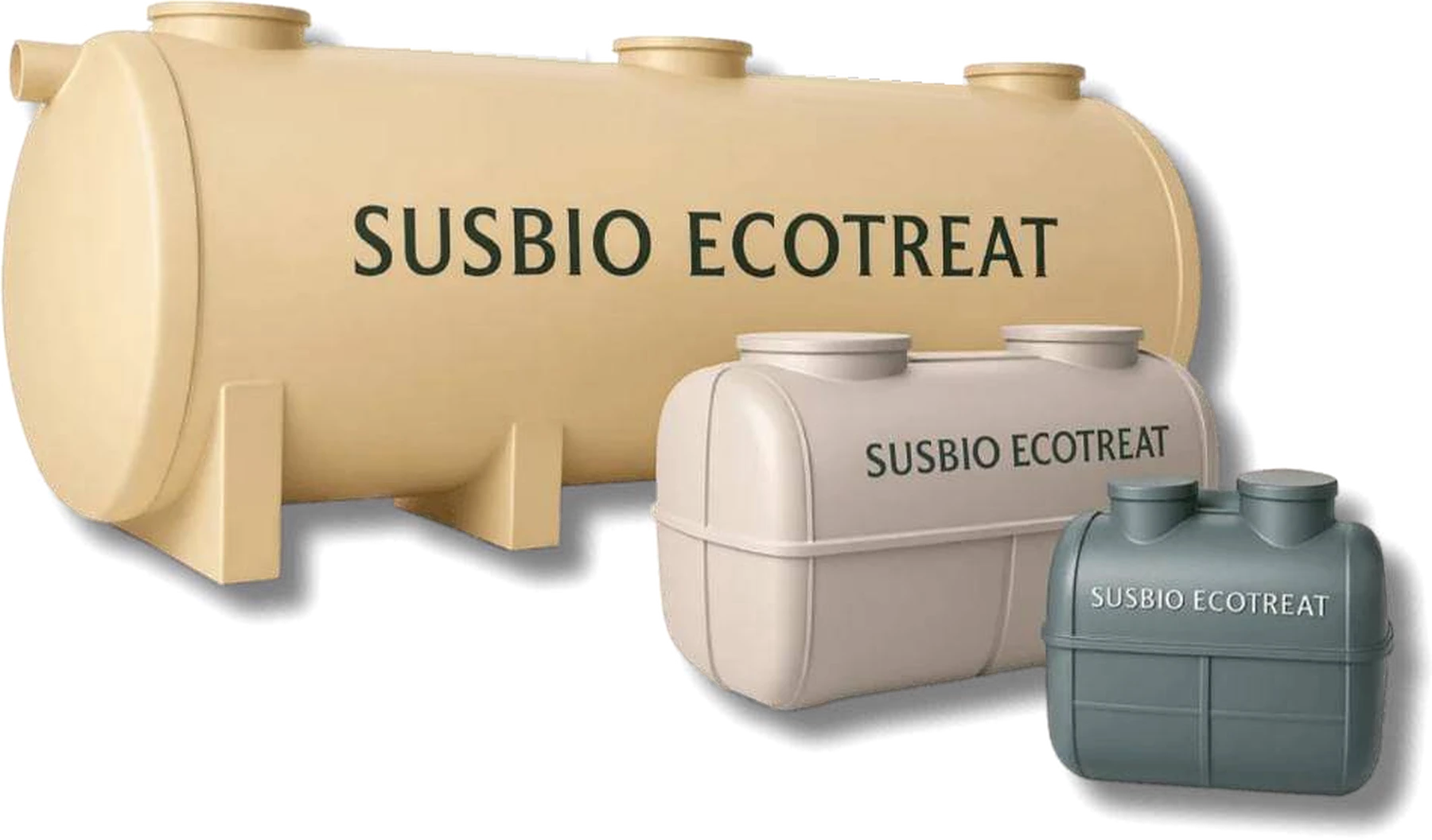 Wastewater and sludge
Sewage Treatment · EcoTreat
A compact plant below ground that turns sewage into water for reuse.
Learn More